
From the Streets to a Future: Ian’s Story
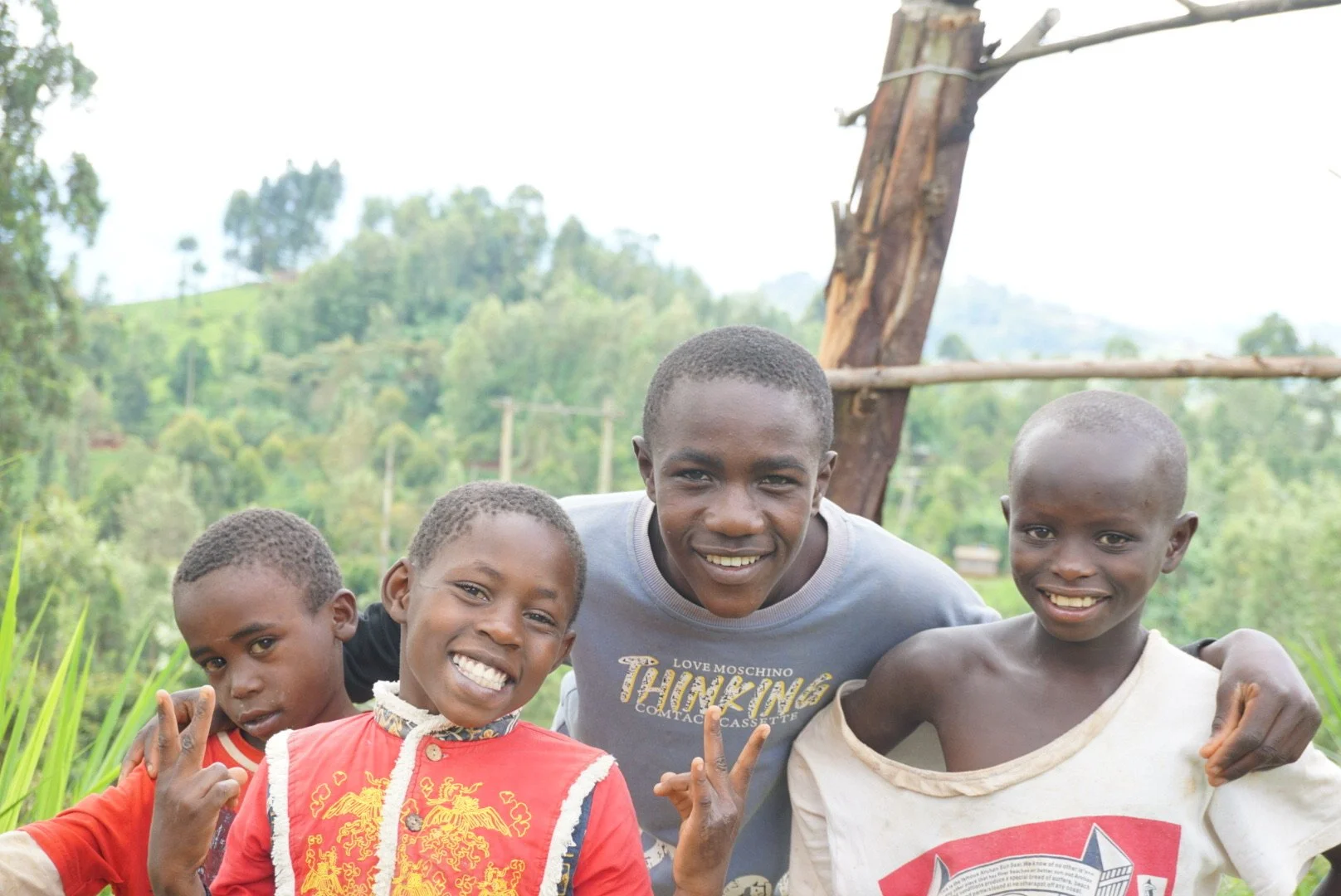
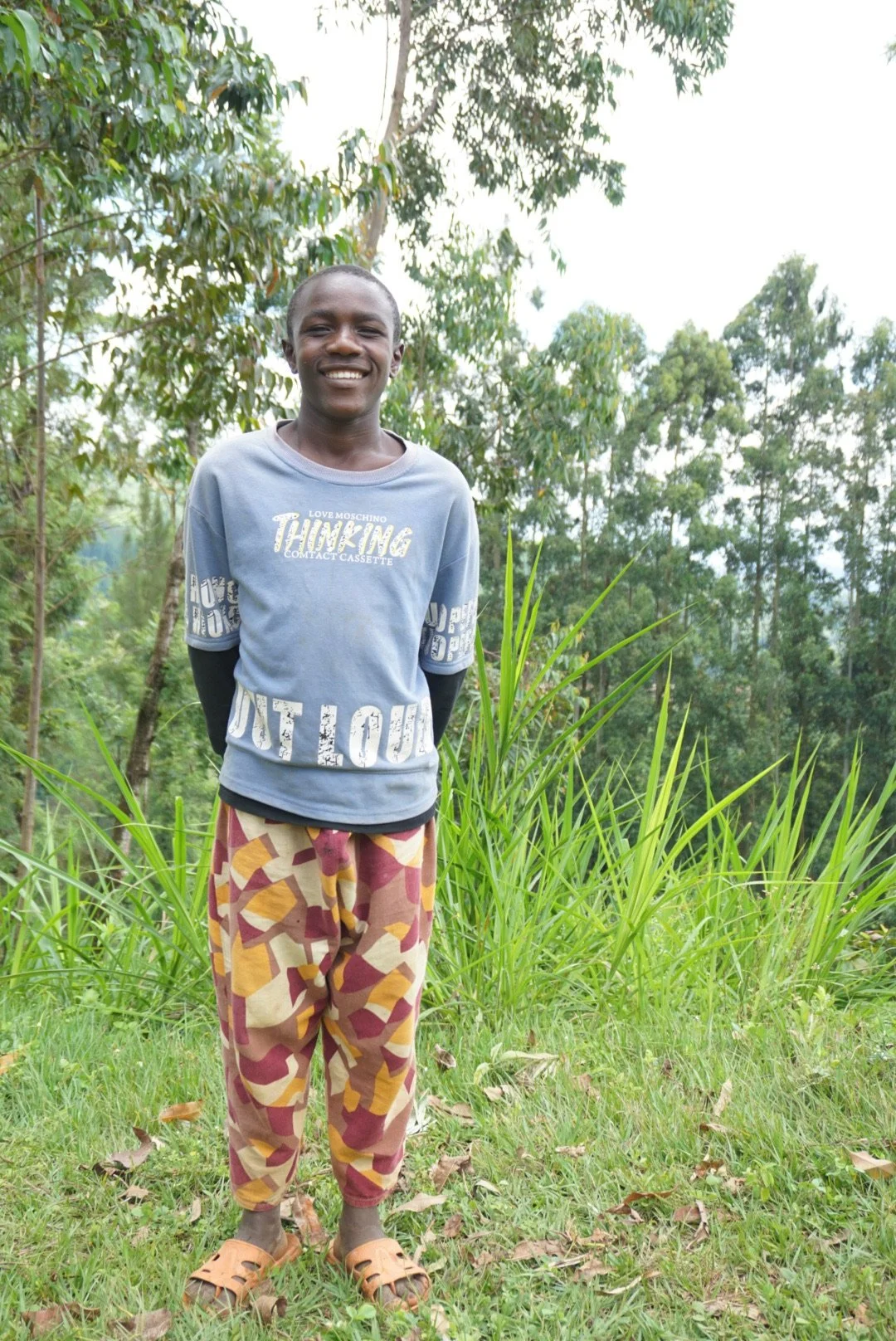
I want to share the story of one of our boys, Ian.
I met Ian in October 2023 on the streets of Mutuati. I still remember him clearly, standing out in a sea of street boys. He had the brightest smile and the clearest, most curious eyes. Most of the teenage boys I was working with at the time were hardened by survival—many were using drugs, many were aggressive with each other. But Ian was different. He was gentle. He had an innocence about him that felt almost untouched by everything he had been through.
After just one week of getting to know these kids, I was meant to return to Nairobi to work on another project. On my last day, a little boy named Ken wrapped his arms around my leg. Ian held my hand. They looked straight into my eyes and said, “Lindsey, promise you won’t leave us. Promise you’ll come back.”
That week, I barely slept. I cried every night. I had spent the past decade of my life working in orphanages and slums around the world, but never had I witnessed suffering at this scale—this level of hunger, abuse, death, and abandonment. Many of the children didn’t even know their own names, their ages, or who their parents were. And yet, somehow, they still loved vibrantly and shared what little they had. A kind of resilience and connection that is impossible to fully put into words.
Ian was born in Nairobi. His mother brought him to this rural village, nearly ten hours away, where his great-grandparents lived. Then she left. Completely. The grandparents were elderly and extremely poor, living in a small wooden shack with dirt floors. They couldn’t provide food, so Ian ran to the streets to survive.
Sometimes his grandfather managed to scrape together small school fees. So Ian lived a double life—attending class during the day, then returning to the streets at night. He scavenged for food, slept on the roadside, and worked any job he could find. Carrying jerry cans of water long distances. Washing dishes. Cooking with street vendors. Welding metal pots. Anything for a few coins and a meal.
When I started the children’s home, I was completely alone with 45 teenage street boys—many coming off drugs, and all starving. It was wild to say the least. But through it all, Ian became my right-hand man. If I needed help, he was the first to step forward. He looked after me as much as I attempted to look after them.
We made up a birthday for Ian—he chose the date and guessed his age. We got him a birth certificate. We enrolled him in school. And one morning, with his once-hollow cheeks starting to fill out, dressed in a new uniform and shoes, standing among the other children ready for their first day, Ian spoke up and said, “We want to say thank you to our mother—Mama Lindsey.”
We had no secure funding. No plan. I had no idea what I was doing. But I made a promise to them and the little family we had become.
Some time later, a village member told me about a disabled girl whose parents were hiding her away. I went to visit, and I brought Ian with me to translate. There is still deep stigma around disability in this area—often linked to beliefs about witchcraft—so these children are hidden from society.
After meeting the family, Ian quietly told me he had a brother with a similar disability. He had never mentioned him before. He thought the boy might be living with their great-grandmother—the same woman he had run away from years earlier.
We took a motorcycle to the village and asked around until someone led us to her home. Ian asked to see his brother. Reluctantly, she walked to the back corner of the house, pulled aside a pile of dirty rags and tattered clothes, and under it all... she pulled out a little boy.
I didn’t know if he was alive honestly.
His body was rigid and every bone was visible. Then I saw a little smile and heard him giggle. His name was Emanuel.
We had permission from the chief to take him, and we rushed to Nairobi. Ian held his brother for the entire ten-hour journey. The doctors told us Emanuel likely only had days to live. He was ten years old and weighed just 15 kilograms.
That night, Ian stayed with me in a hotel. It was his first time seeing running water. A flushing toilet. A shower. A refrigerator. A microwave. His first taste of pasta. Of chocolate. I remember we sat out on the balcony late into the night watching the washing machine spin clothes and bubbles around and around. He was completely mesmerised... after first being terrified it was some kind of witchcraft at first.
Emanuel was placed in specialised care. For six months, we received hopeful updates and photos as he began to grow stronger. Then one night, we received the call. Emanuel had passed away suddenly from kidney failure. His body, after years of starvation, just couldn’t recover.
What continues to move me most about these children is the duality they carry—immense grief alongside deep gratitude. They have never been guaranteed another meal, a bed, or a tomorrow. So every grain of rice, every day at school, every hug is received as a gift.
Today, two years later, Ian has completed his vocational training. He has an internship in town and will sit his final practical exam in April to receive his official certification.
Ian is just one story of the many children who have endured some unimaginable pasts but have now been able to start building new futures because of the efforts of people and community support like we have tonight.
I will never quit the words but I just want to say from the bottom of my heart as well as all the kids thank you very much.